



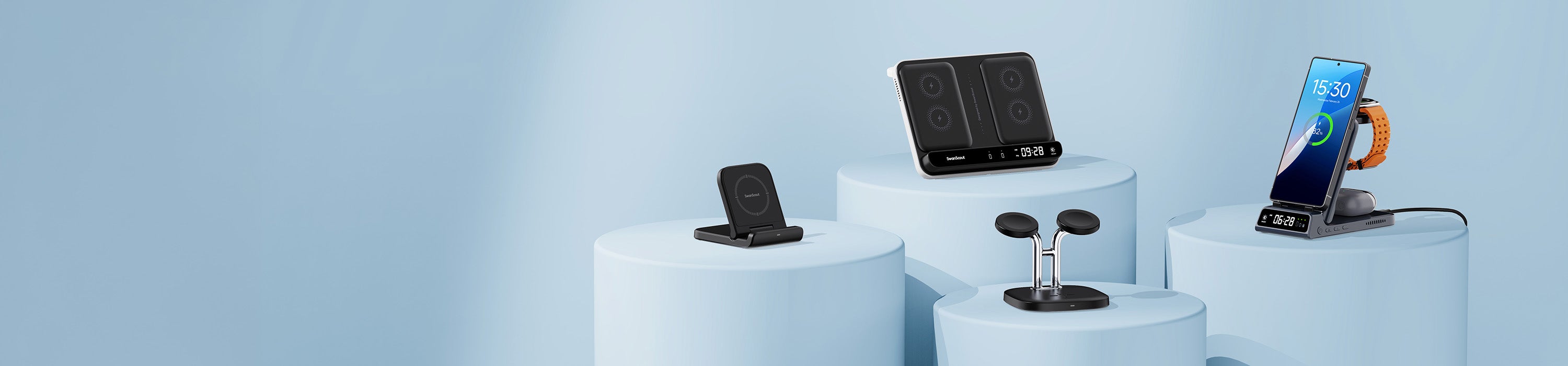

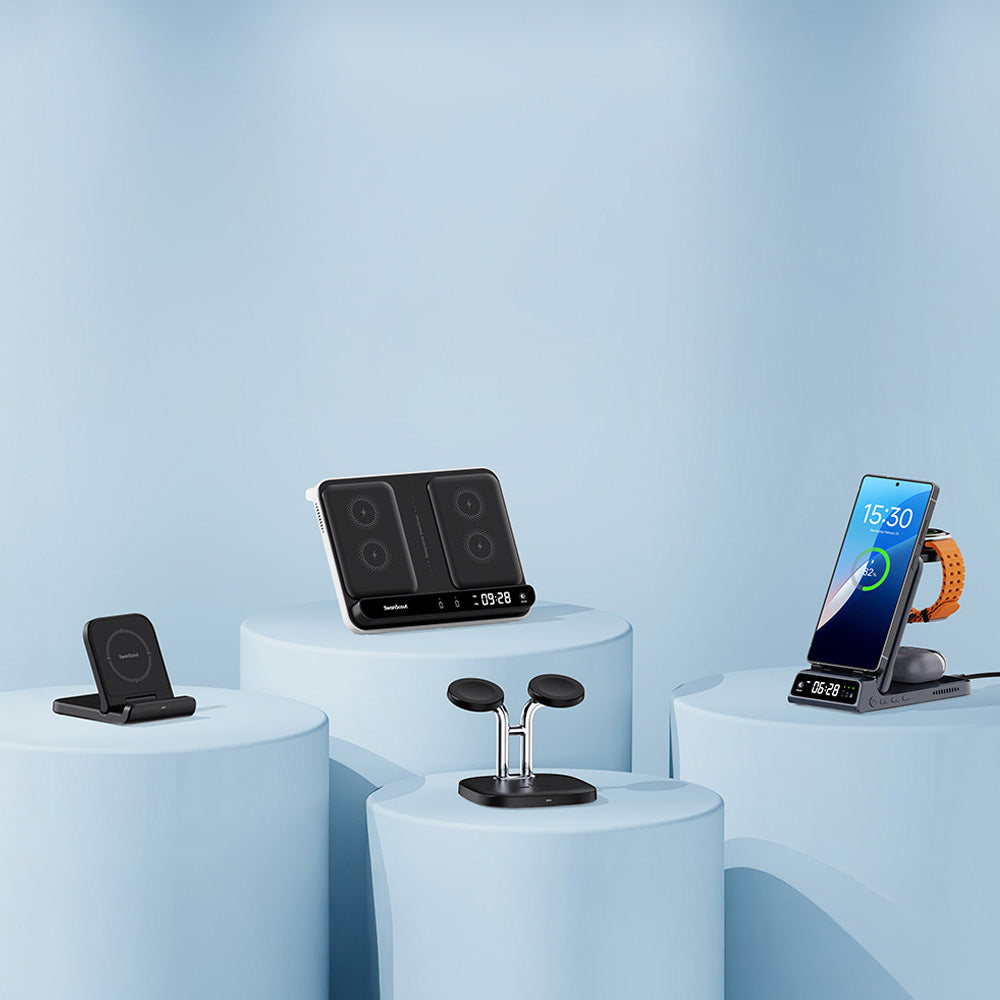

Wireless & Wired Chargers for Samsung
Explore a range of wired and wireless chargers designed for Samsung phones, watches, and earbuds, combining performance, style, and multi-device convenience.
8 Years of Wireless Charging Innovation
Free Shipping
1-Year Warranty
Filters

 SAVE 25%
 SAVE 25%
 SAVE 25%
 SAVE 25%
 SAVE 25%

 SAVE 25%
 SAVE 25%
 SAVE 25%
 SAVE 25%
 SAVE 25%
 SAVE 25%

Versatile Samsung Charging
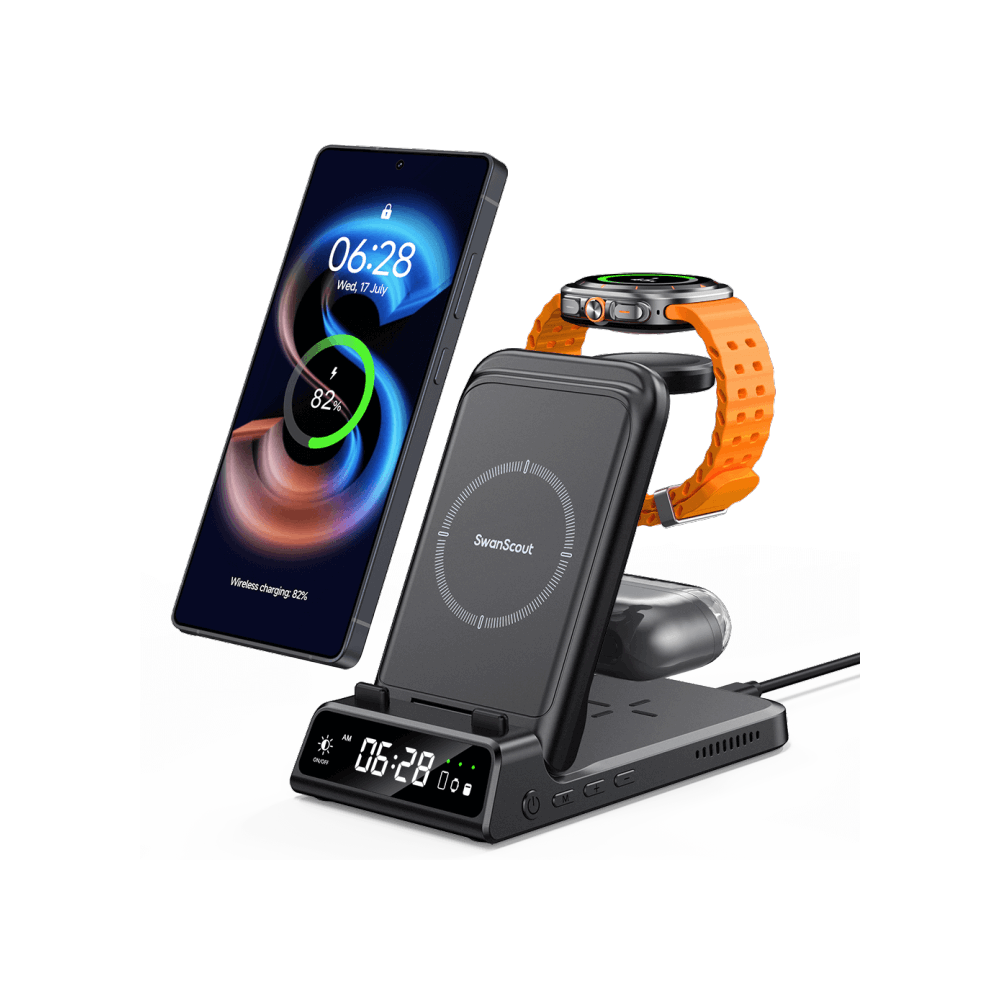
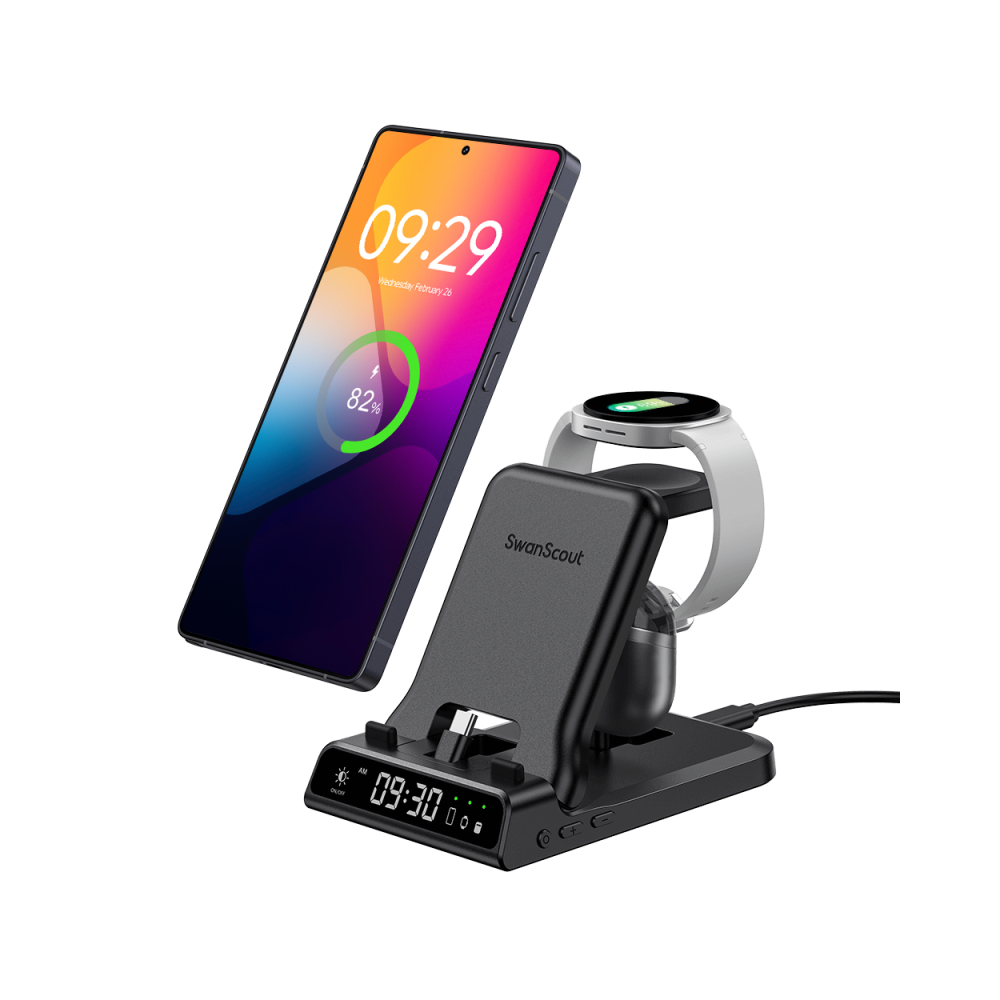
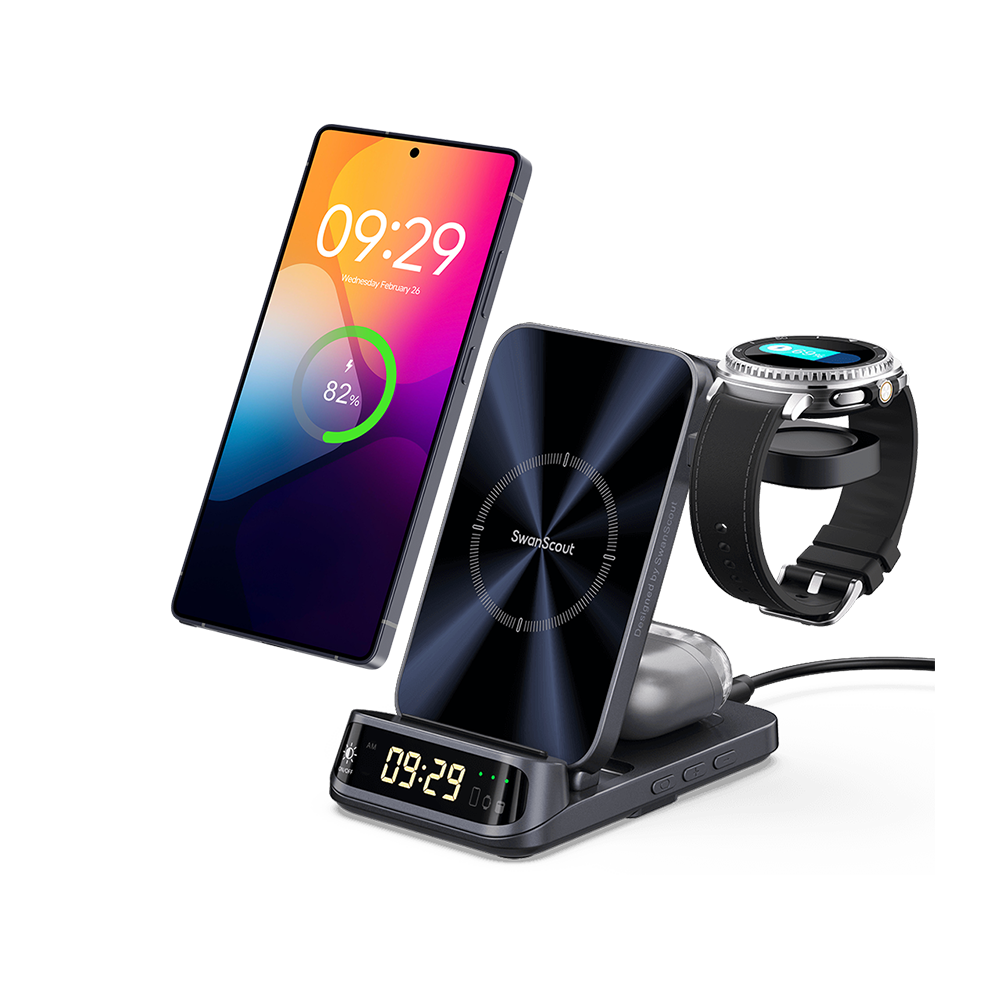
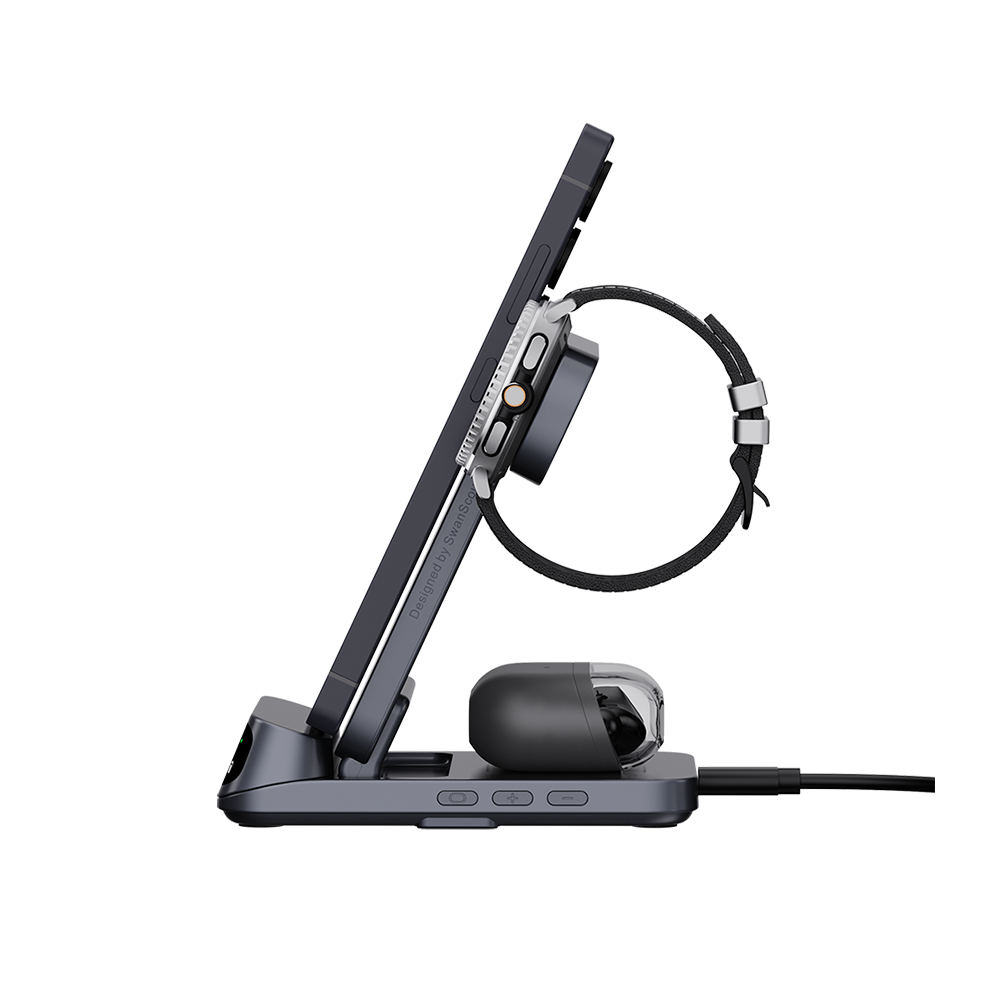
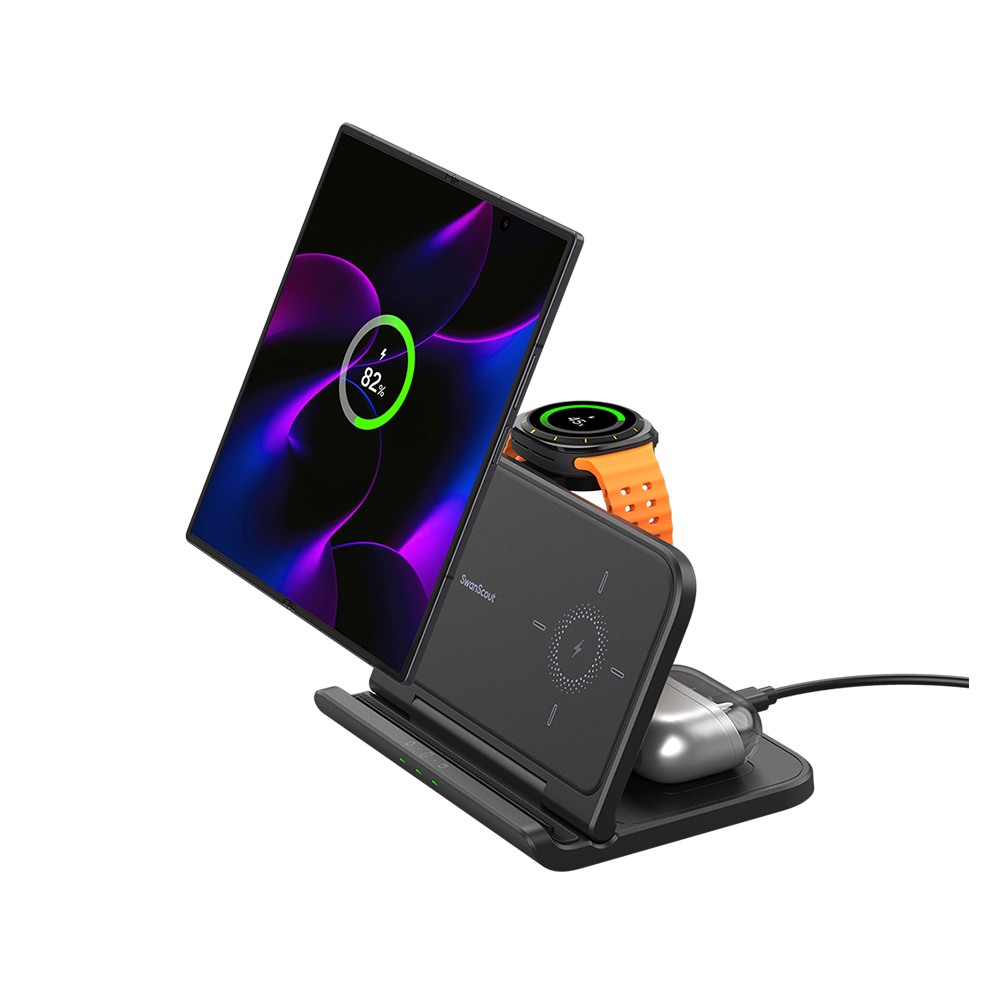
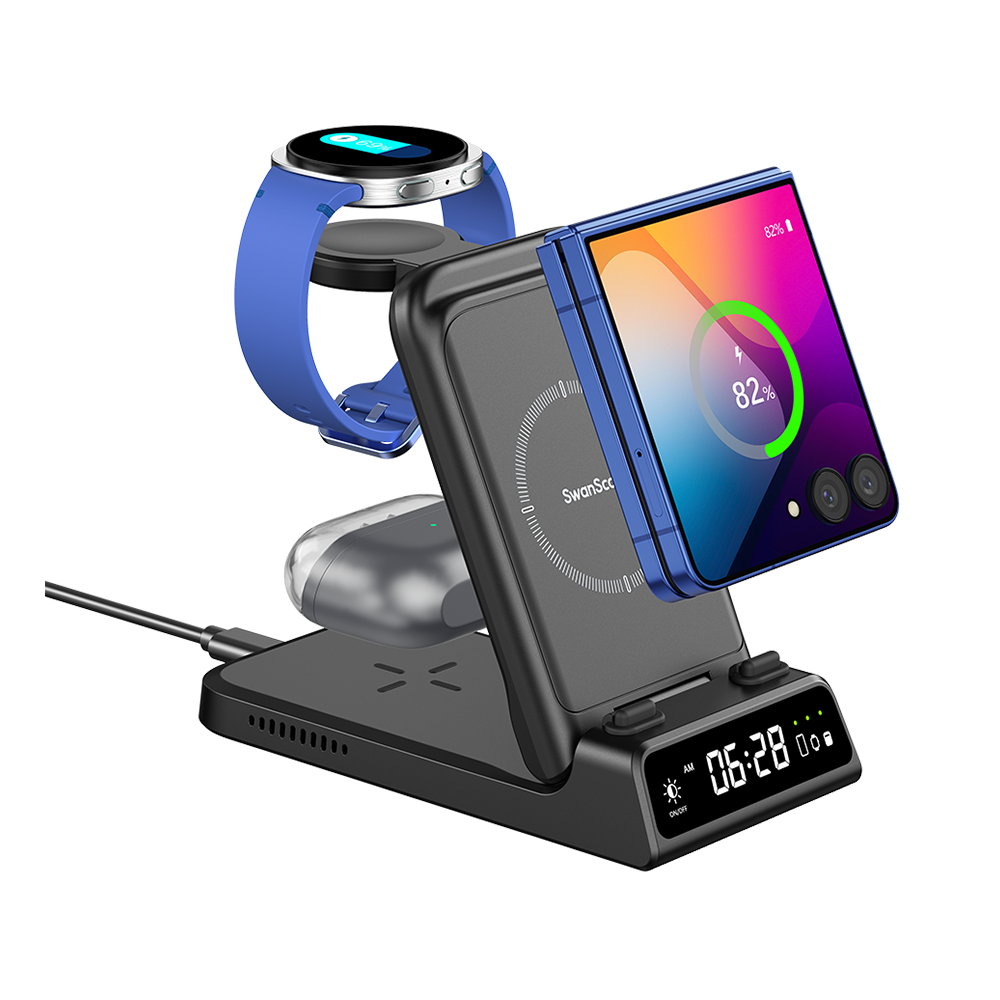
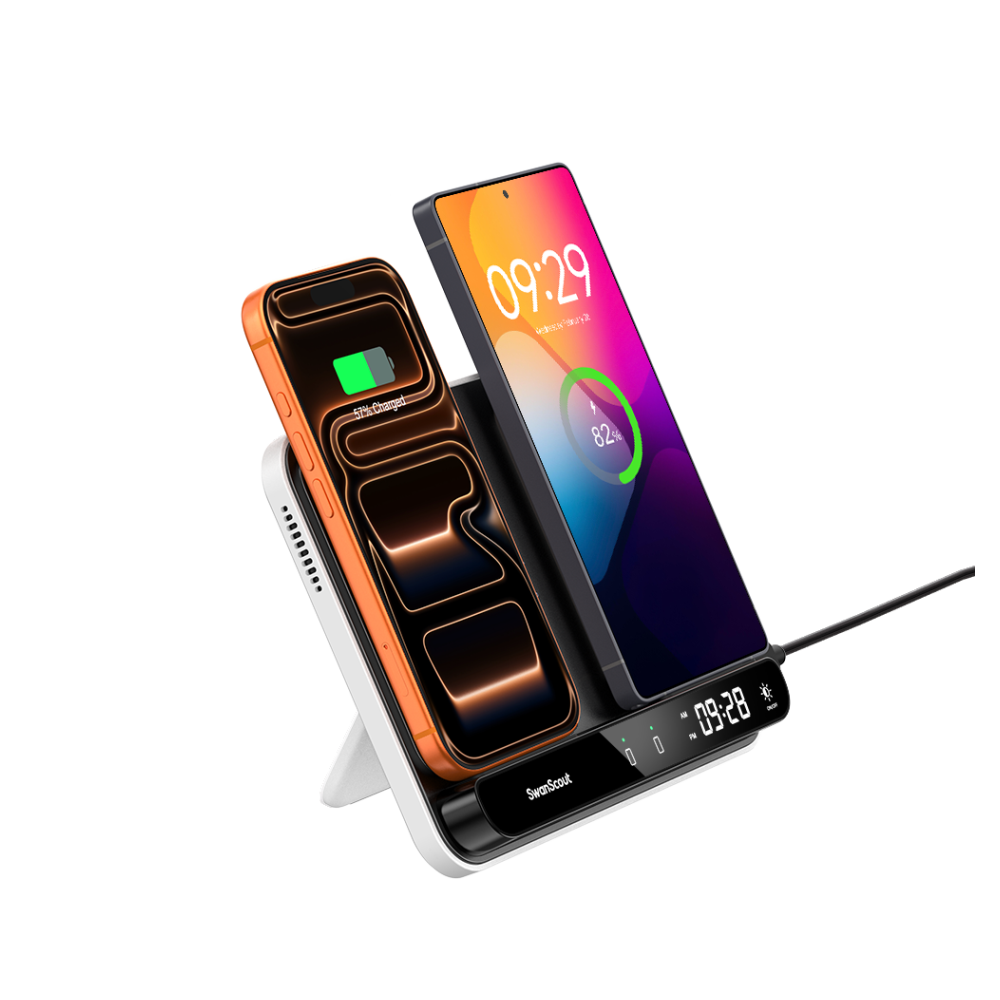
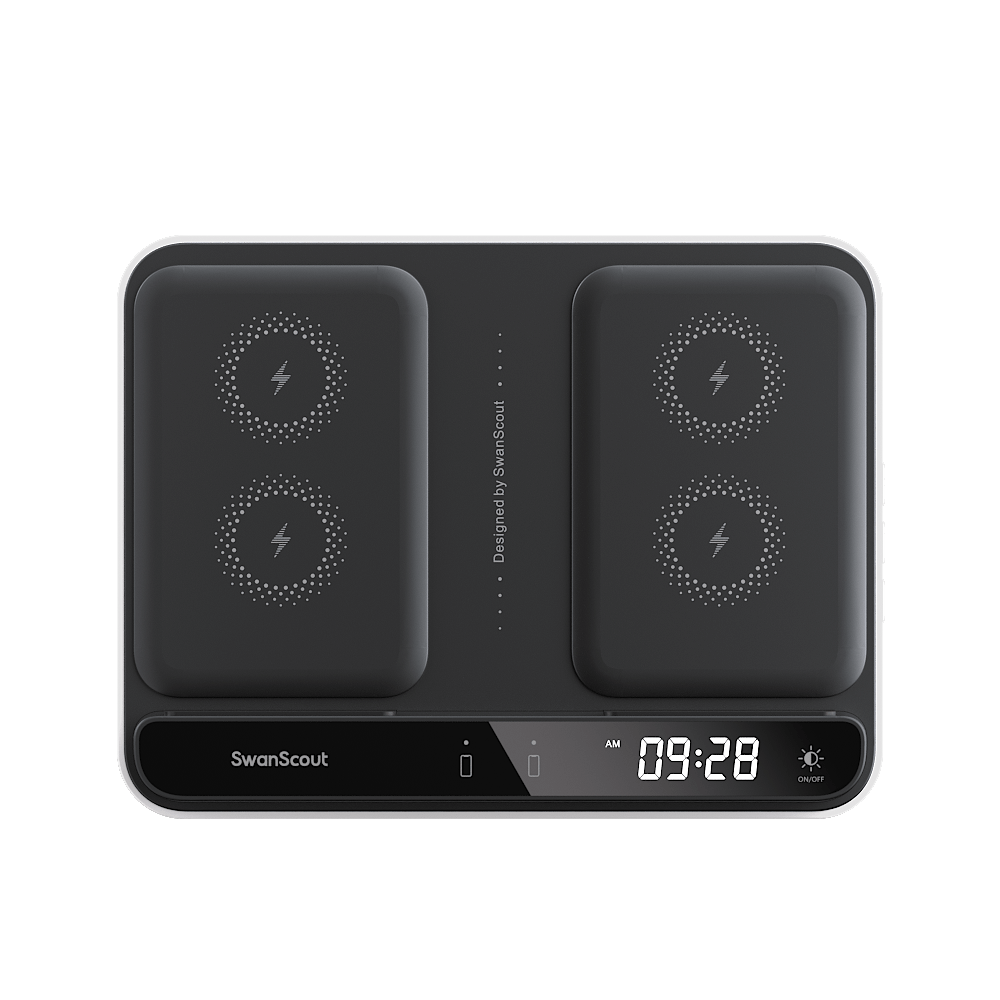
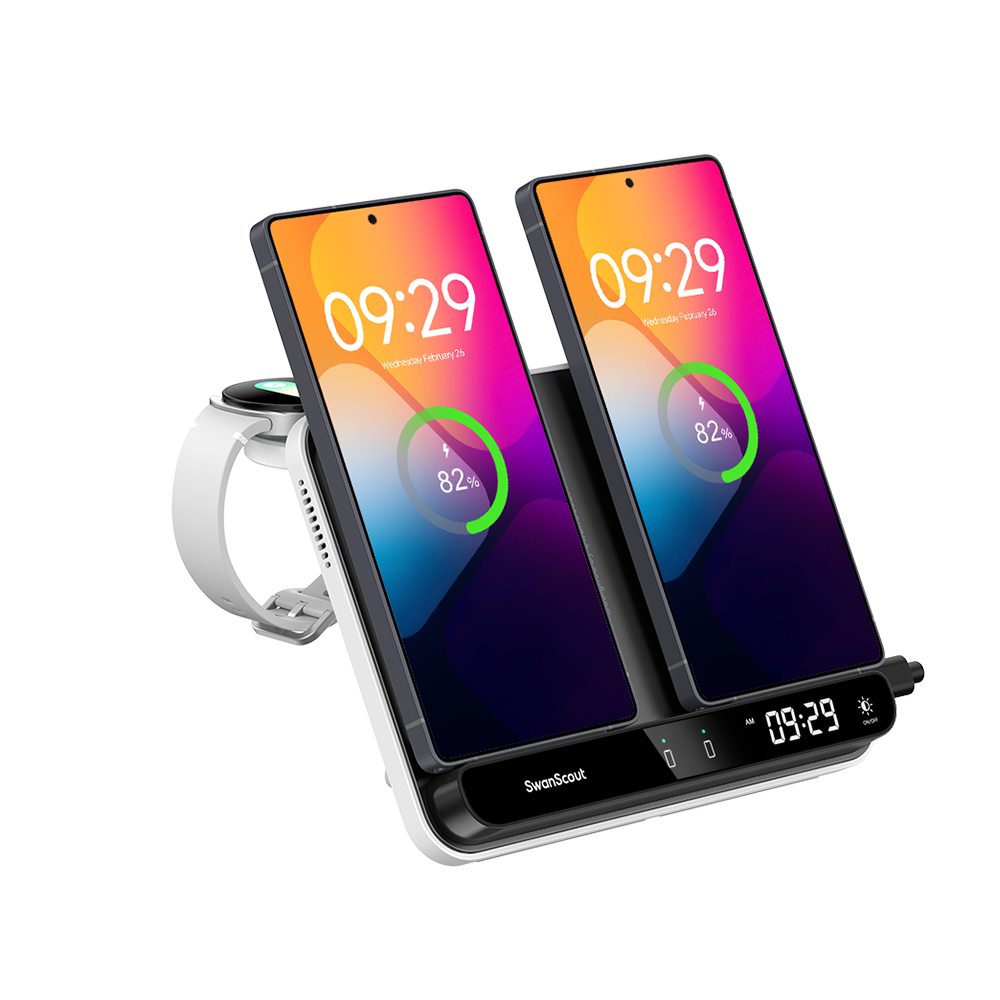
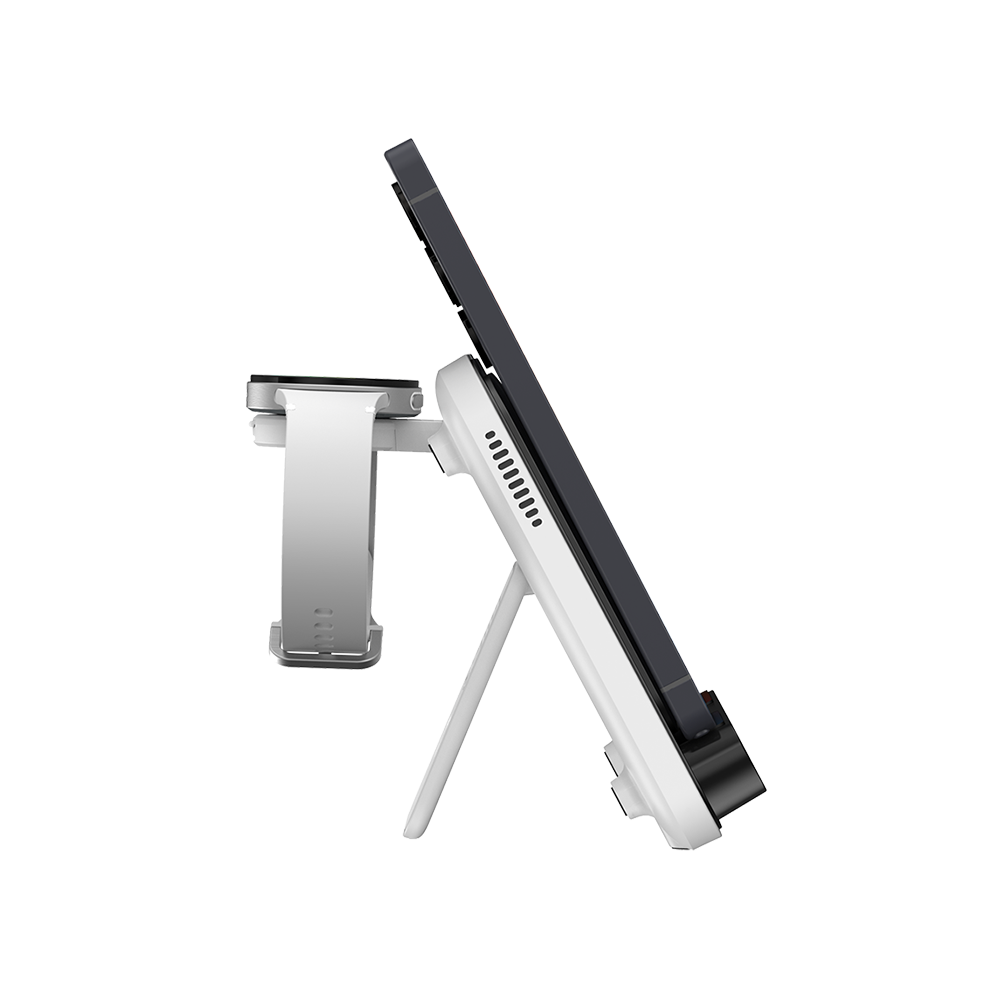
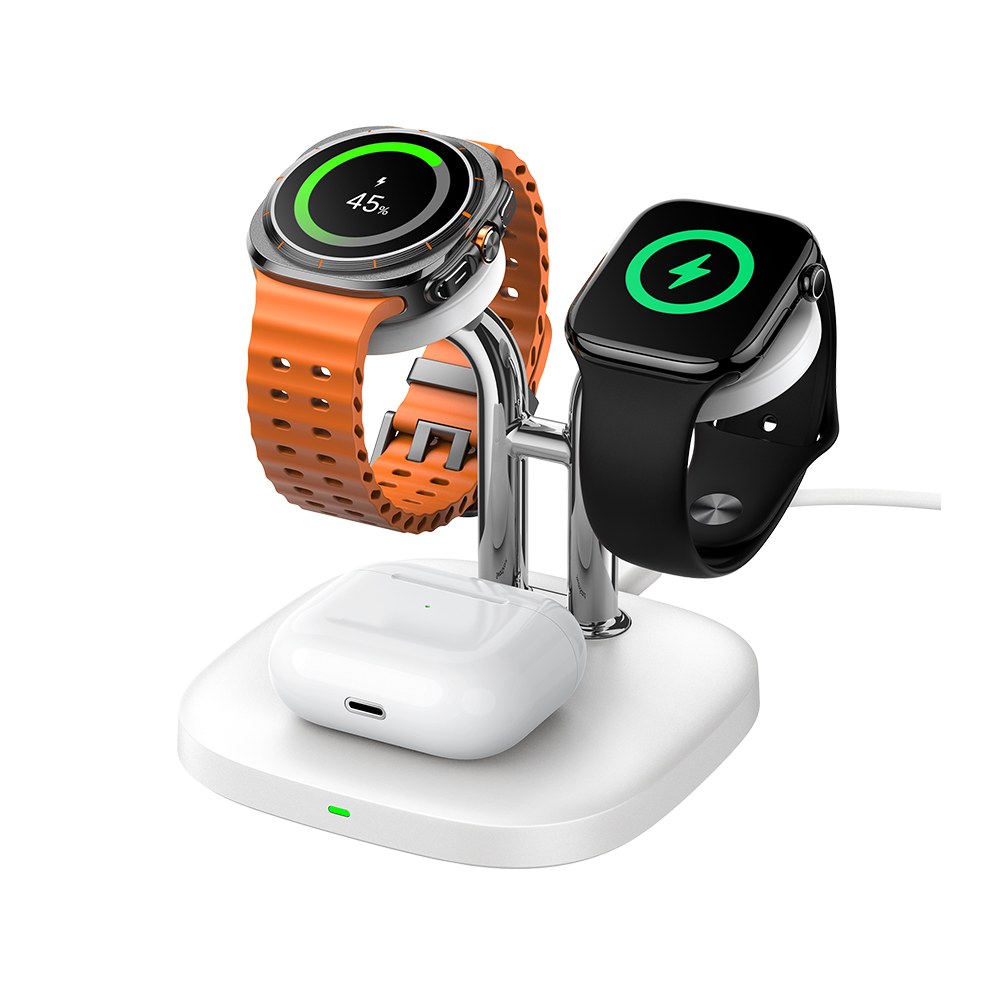
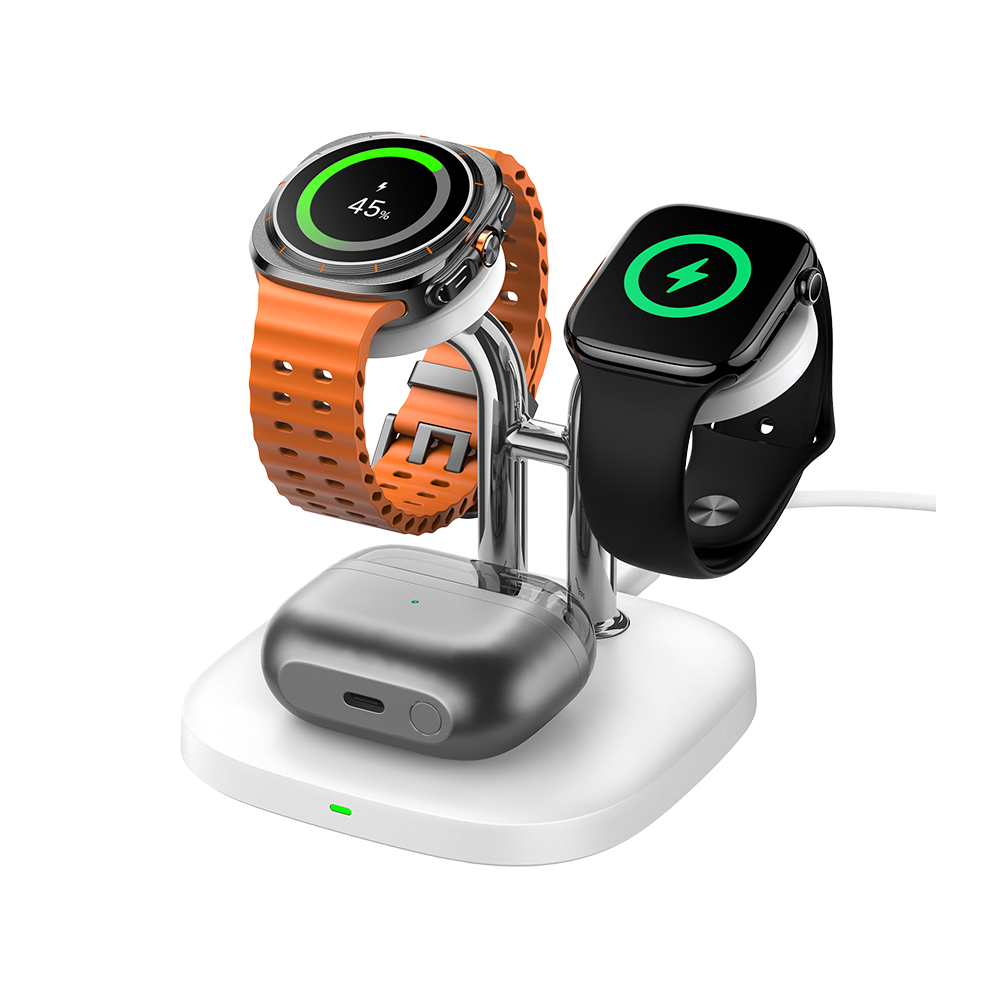
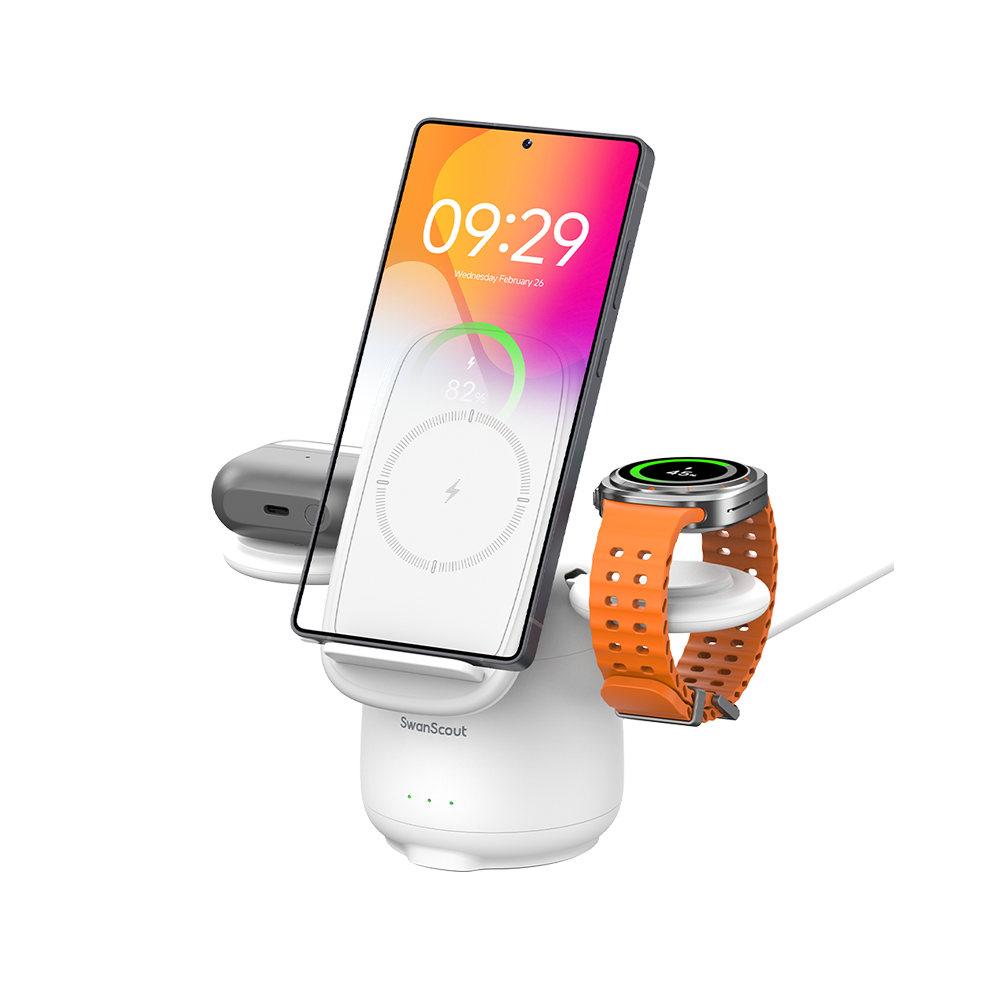
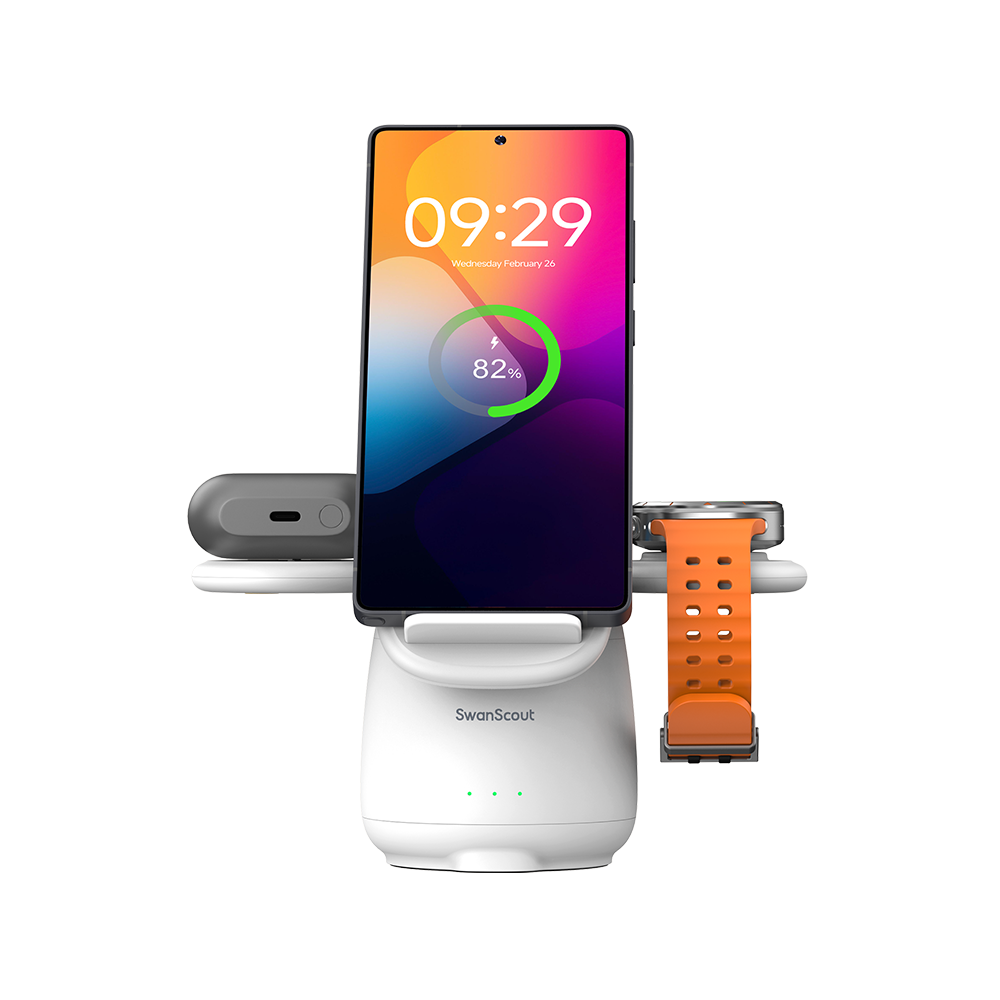
SwanScout provides a variety of wireless chargers tailored for Samsung users, ranging from compact 3-in-1 units for individuals to dual-phone and dual-watch models for households. Designed for personal and shared environments, these chargers enable simultaneous multi-device charging, minimizing wait times while maximizing efficiency.

Engineered for Galaxy Z Series
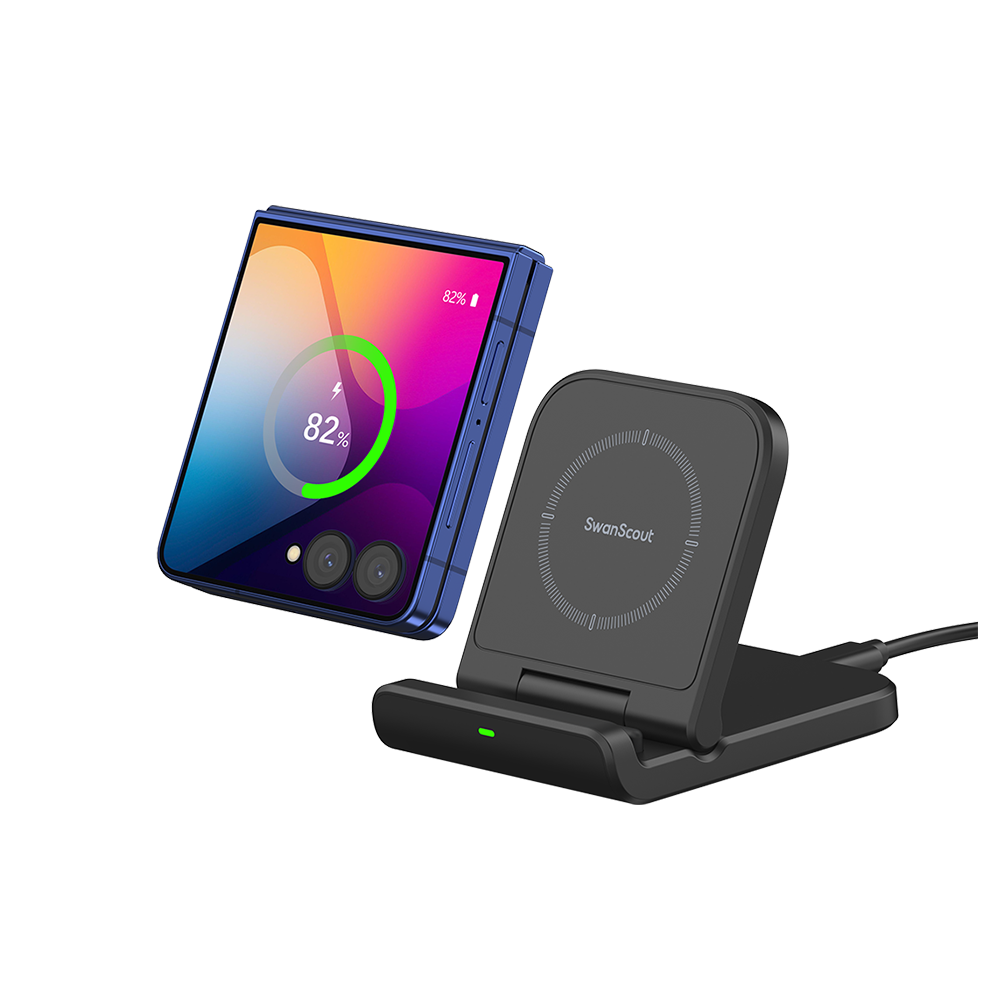
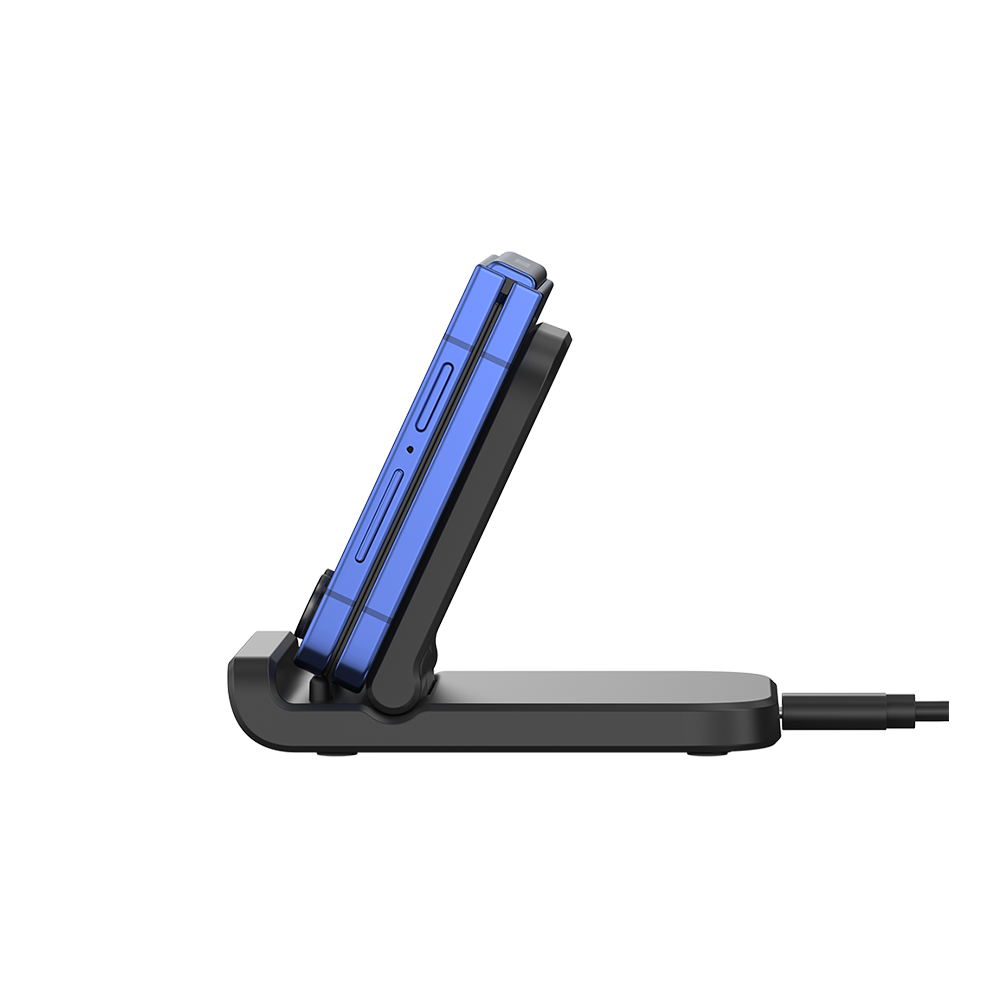
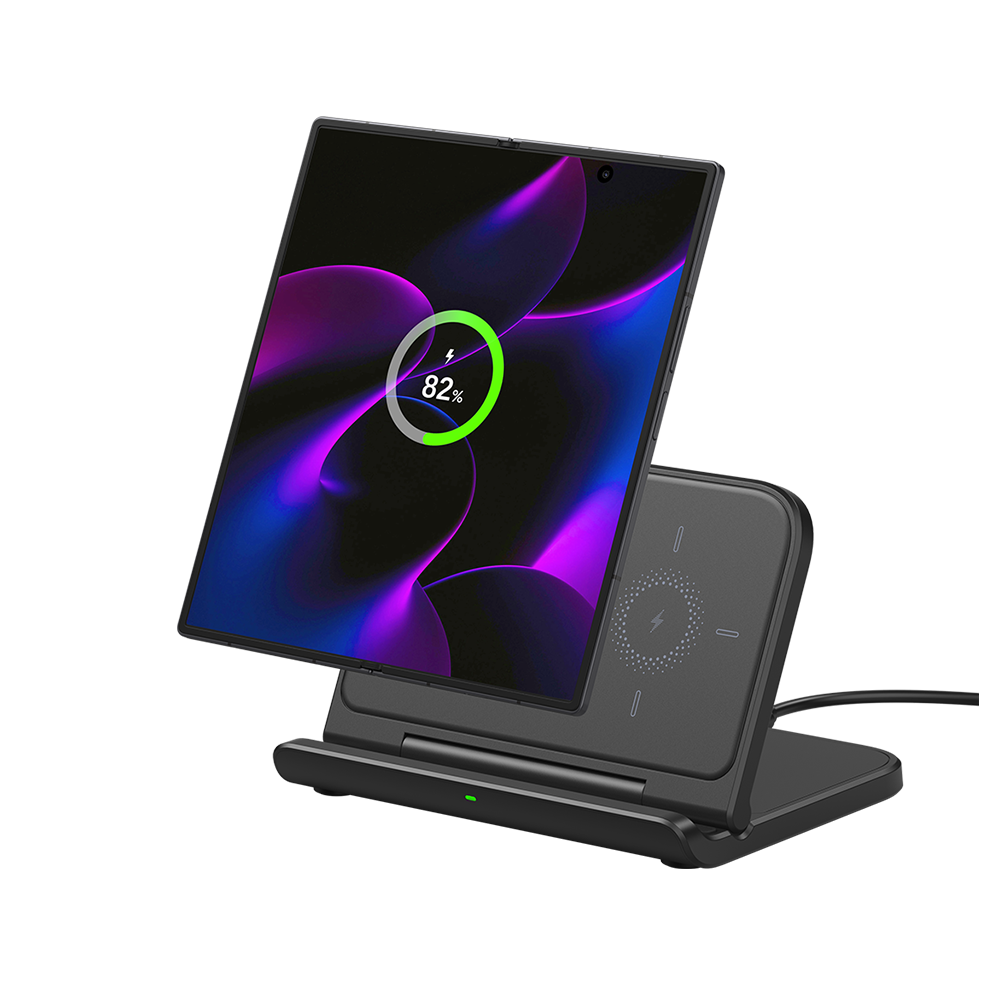
Designed with precision-aligned charging zones and expanded contact surfaces, these chargers accommodate the unique dimensions of Galaxy Fold and Flip devices. A reinforced base ensures stable alignment whether folded or fully open, while the optimized charging angle reduces energy loss and ensures consistent, high-efficiency power delivery.
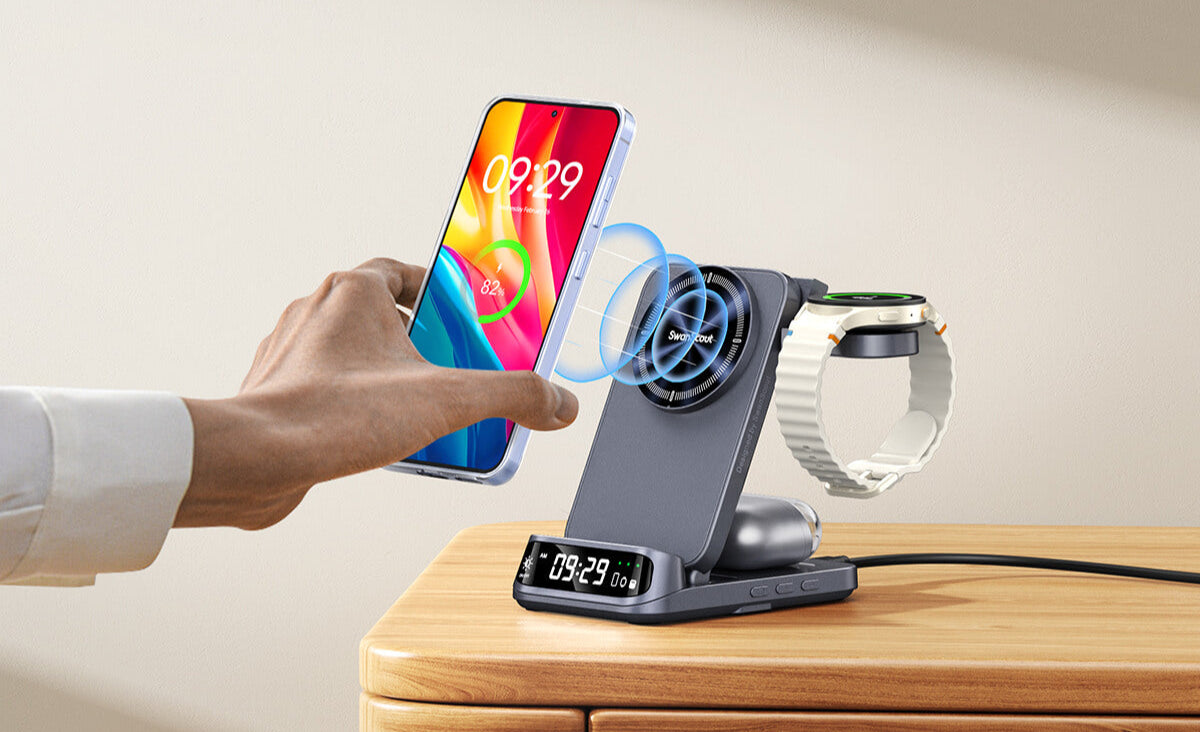
Magnetic Charging for Samsung Cases
Samsung users often pair their phones with magnetic protective cases, which can interfere with standard wireless chargers requiring case removal. SwanScout’s magnetic wireless chargers utilize precise magnetic alignment and coil detection technologies to enable efficient charging directly through compatible cases, ensuring stable power transfer and a seamless user experience.
Frequently Asked Questions
Wireless charging operates on the principle of electromagnetic induction: the charger's internal coil generates an alternating magnetic field, which induces a current in the phone's receiving coil that is then converted to direct current to charge the battery.
- The energy conversion process involves multiple losses (magnetic field radiation, eddy currents, heat dissipation, etc.), resulting in a typical overall efficiency of 70%–85% (compared to over 95% for wired charging).
- The lost energy is primarily dissipated as heat, so wireless charging is generally 20%–50% slower than wired charging at the same nominal power level and generates more heat.
Samsung's Fast Wireless Charging (up to 15W) is a proprietary extension of the electromagnetic induction protocol that requires support from both the charger and the phone to activate.
- Compared to standard wireless charging (typically 5W–7.5W): It achieves higher speeds and greater stability through optimized communication protocols and power negotiation.
- In practice: When paired with a ≥20W PD adapter, it reliably delivers 9W–15W, making it ideal for flagship models like the Galaxy S25 series with more efficient charging performance.
- Future trend: Samsung's protocol is evolving toward higher power levels (potentially up to 25W) to keep pace with advancing battery technology.
Wireless charging does produce more heat than wired charging (typically 5–15°C higher), and heat is a primary accelerator of lithium battery aging (battery degradation roughly doubles for every 10°C increase in temperature).
- Modern safety mechanisms: Samsung phones and compatible chargers feature multi-level thermal protection (automatically reducing power or pausing charging when temperatures exceed 40–45°C), keeping battery temperature within a safe range (<45°C).
- Long-term impact: Under normal usage conditions (avoiding high ambient temperatures, thick cases, or prolonged continuous charging), the additional impact on battery cycle life from wireless charging is very limited (typically <5–10% over 2–3 years), far less significant than the effects of regular charge-discharge cycles.
- Recommendation: Ensure good ventilation and use a ≥20W adapter to minimize charging time and reduce overall heat exposure.
Multi-device chargers (e.g., 3-in-1 models) have a limited total output power (typically 20–45W) and use an intelligent power allocation mechanism.
- Priority is usually given as follows: The phone port receives the highest power (9–15W), while dedicated watch and earbud ports operate at lower power levels (3–5W).
- When total demand exceeds the adapter's capacity, power is dynamically reduced (e.g., each phone might drop to 7–10W when charging two simultaneously).
- Solution: Using a 25W or higher PD adapter significantly improves peak performance across multiple devices and helps prevent noticeable slowdowns.
Wireless charging is highly sensitive to distance (effective range is typically <5mm).
- Non-metallic cases under 5mm thick: Minimal impact (loss <5%).
- Cases 5mm or thicker, or those containing metal/metal card holders: Significantly increase distance and eddy current losses, reducing power by 30%–70% or even preventing charging altogether.
- Optimization tip: Choose thin, non-metallic cases, or test placement and adjust position as needed to maintain efficient power transfer.
Compatible chargers include built-in foreign object detection (FOD), which monitors coil impedance changes: If a metallic foreign object (e.g., keys or coins) is detected on the charging area, the charger immediately stops output or significantly reduces power to prevent heating of the object.
- Additional safeguards: Over-temperature, over-voltage, and over-current protection ensure prompt shutdown in abnormal conditions.
- Real-world risk: Extremely low—certified, reputable products have virtually no reported cases of explosion or device damage under normal use, offering safety comparable to wired charging.
To approach the theoretical maximum (15W):
- Use a ≥20–25W PD/QC adapter
- Ensure precise coil alignment
- Use a non-metallic case under 5mm thick
- Maintain ambient temperature of 20–25°C (avoid direct sunlight or covering with blankets)
- Charge in the 20%–80% battery range (>80% triggers automatic slowdown as a battery protection measure)
When these conditions are met, Galaxy S25 series devices can reliably reach a full charge in 2.5–3.5 hours under ideal circumstances.
Wireless charging relies on bidirectional communication: The phone and charger exchange data (power requests, status feedback) via weak electromagnetic signals through the coils.
- Process: The phone sends a "ready" signal, the charger responds with power output, and the system monitors hundreds of times per second to adjust parameters dynamically.
- Key to stability: Misalignment or interference can interrupt communication and cause speed reductions; Samsung's optimized protocol minimizes these fluctuations within its ecosystem, improving everyday reliability.